Mark Winslow UX designer

Mark Winslow UX designer

Contact

Intro

I’m a human product designer in Brooklyn, NY. I shifted into UX after a few years bumbling around pig, sql and excel, and have since spent most of my time in hiring and med tech. Today I’m one of two principal designers in a ~150 person UX org; focused on trying to use AI to make hiring and job hunting less painful.

Earnest people, potent coffee, and post-its are core to my professional love language.

Currently: Principal UX at Indeed.

Recent projects: Build guild (coming soon) • Coordinote app • PrepTrack

Highlights

  • Received “Hyams (CEO) award” (top 5% performer) at Indeed 5 of 6 years it was offered
  • Led 0-to-1 of Indeed’s first agentic screening; now used by 4000+ enterprise employers and millions of job seekers
  • Stock grew 112% since moving into Principal role over employer AI (Jan-Oct '26)
  • Created presentation on agentic hiring for World Economic Forum 2026
  • Lived+worked in the Japan, Vietnam, and Kenya
  • Founder of Seattle’s largest bicycle club (ACT)
  • Mentor for 8 HCI graduate students at UW

Publications & presentations

  • Evaluation of a 3D Virtual Reality Model for Surgical Planning and Education. Paper presented at the annual World Congress of Endourology in Vancouver, B.C.
  • Landman, J., Safiullah, S., Clayman R., … Laughery, M. (2017) Three-dimensional Kidney Model Development for Virtual Reality. Paper presented at the annual Engineering and Urology conference in Boston, MA.
  • Safiullah, S., Patel R., Lama, D., … Laughery, M. (2017) Evaluation of a 3D Virtual Reality Model for Surgical Planning and Education. Paper presented at the annual World Congress of Endourology in Vancouver, B.C.

Odin

i
Role
Principal UX, design lead for a team of 8
Company
Indeed
Links
Video overview, Vision (Figma), Dec release (Slides)

Indeed’s venture bet on an agentic solution for large employers.

Selected to lead the 12-person design team. Drove vision and helped work back from inception to 4000+ companies. AI strategy highlighted by CEO as key driver of recent pecuniary success. (Bloomberg)

Design oversight · Agentic screening · End-to-end vision

Pyrus Med

i
Role
Co-founder and UX lead
When
2016–2017, UW CoMotion Labs
Press
GeekWire, King 5, WCE 2017

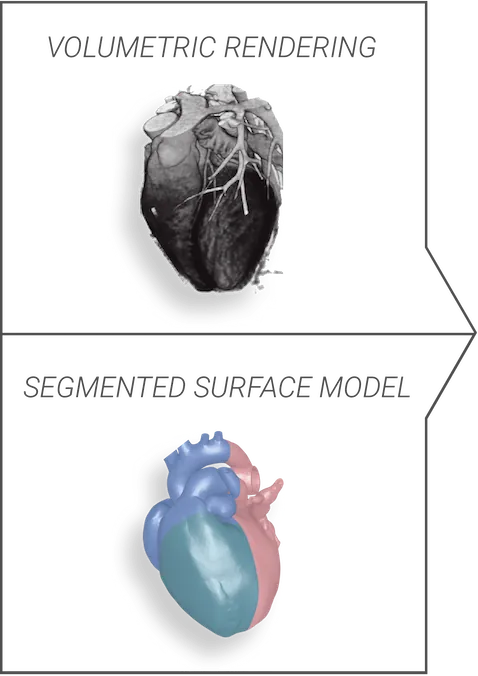
UX Lead. Co-created with MDs from the hallways of UW into four major hospitals, and several studies and conferences. The core product was a mixed reality DICOM viewer for perioperative education that takes in voxel media - either segmented or raw CT/MRI data - and makes it easy to explore fine structures and pathology.

Exploring methods for model interaction in spatial environments
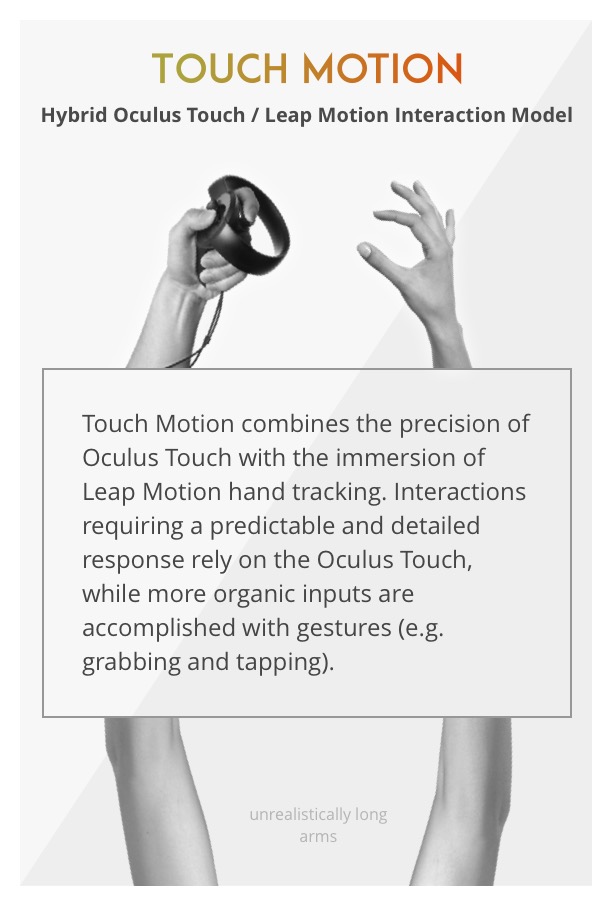
Touch Motion: hybrid Oculus Touch and Leap Motion interaction model

Pyrus

Case study

Exploring methods for model interaction in spatial environments

See our open-source interaction engine on Github

Coordinote

i
Role
Design and iOS development (personal project)
Status
In progress
Link
Privacy policy

Sole designer and “developer.” Built to help regional trail management organizations document trail issues. Primary function includes location-based notes and photos so crews can quickly capture and document issues while they're in the field with limited cell service.

Download on the App Store
End-to-end design and iOS development

PrepTrack

i
Role
Volunteer UX
With
An org out of Cambridge University

Volunteer UX for an org out of Cambridge University that simplifies PrEP adherence. Provided low-cost UX suggestions end to end, built a design system, and offered some vision flows.

Past

Update

Not protected: six doses until protection starts Protected: stay on track with your daily dose
Design system revamp · Heuristic eval and flow mapping

From peer reviews

Resume

Odin

Project overview

Context

Indeed’s legacy business (hosted job advertising) peaked in 2023. In an attempt to reignite revenue growth, SLT formed a tiger team to build an agentic sourcing and screening tool for enterprise employers. While this may seem like AI herd behavior, it also marked a shift into an underpenetrated segment with a much more complicated service blueprint.

Product

Agentic recruiting assistant that uses screening criteria to intelligently find, screen, and summarize talent, as well as distribute spend efficiently across jobs.

Key challenge

Finding a goldilocks optimal input per job that maximizes trust and accuracy, while minimizing setup bloat, and legal and social risk. Research also ran into the universal tension between buyers and users (recruiters): How might we evaluate utility in a vertical experiencing widespread displacement?

Outcome

  • Led team of designers through complex legal, RAI, and multi-constituent problem space -- from concept through 3 pilot phases, and full deployment in early 2026.
  • Vision for agentic recruiting presented at 2026 World Economic Forum
  • Product is currently top sales priority and used by over 4000 enterprise employers and millions of job seekers
Role
Design lead on team of 8 ICs
Company
Indeed
Links
Video overview
Vision (Figma)
Dec release (Slides)

Coordinote

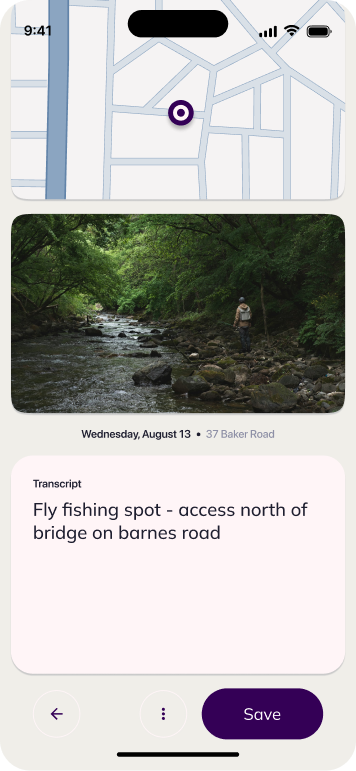
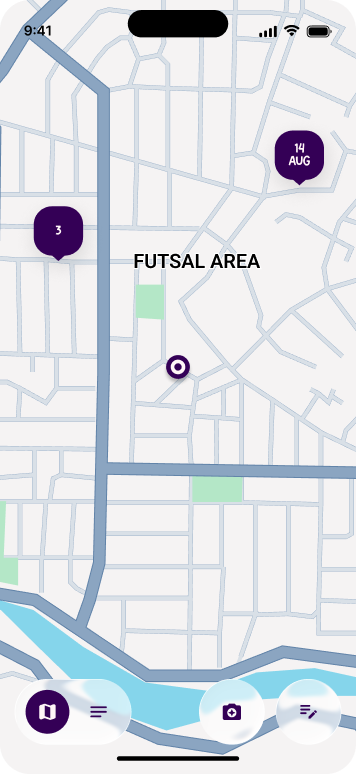
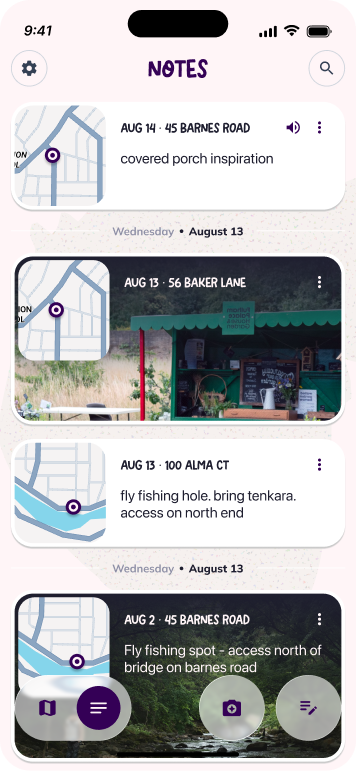
Coordinote screens: a field note, a map of pins, and a notes list

Coordinote

Sole designer and “developer.” Built to help regional trail management organizations document trail issues. Primary function includes location-based notes and photos so crews can quickly capture and document issues while they're in the field with limited cell service.

Role
Design and iOS development (personal project)
Status
In progress
Link
Privacy policy

PrepTrack

Past

Update

Not protected: six doses until protection starts Protected: stay on track with your daily dose

PrepTrack

Context

A group out of Cambridge University built an app that simplifies PreP adherence. They’d never worked with a designer and the experience was visually dated and had broken flows.

Product

Mobile app to help people manage HIV pre-exposure prophylaxis (PrEP) medication. It recorded pill intake and sex timing, provided dosage reminders, tracked protection status for daily or event-based PrEP (aligned with UK guidelines), and stored all data privately on the user's device.

Outcome

Redesigned end-to-end on top of a new design system and offered vision flows around setup and key tracking steps. Provided robust design spec for engineering team.

Role
Volunteer designer
Company
PrepTrack
Links
Website
Slides

Tracking home

Before
Previous tracking home, with doses remaining and upcoming reminders
Update
Updated tracking home, with protection status and a daily schedule

Dose recording

Before
Previous dose recording: confirm dose time Previous dose recording: sex timing question Previous dose recording: confirmation
Update
Updated dose recording: take dose sheet Updated dose recording: sex timing sheet Updated dose recording: confirmation sheet

Setting reminders

Update
Updated push notification settings with dose reminder, dose timing, and confirmation sheets

Vision exploration

A
Vision A, status and upcoming reminders
B
Vision B, protection progress and a numbered plan
C
Vision C, dose dots with plan and notifications
D
Vision D, dose progress and a tracking history

MVP Design system

Figma
MVP design system components in Figma: misc, type, logo, header, button, link, card, and schedule

Pyrus Med

Project overview

Context

VR and AR was the hot emerging tech when I was in grad school. In my final year, I linked up with two PhD students to build a system for interventional cardiologists to educate and prepare for complex procedures. We got a small investment from the University and space in a lab that gave us intimate access to practitioners.

Product

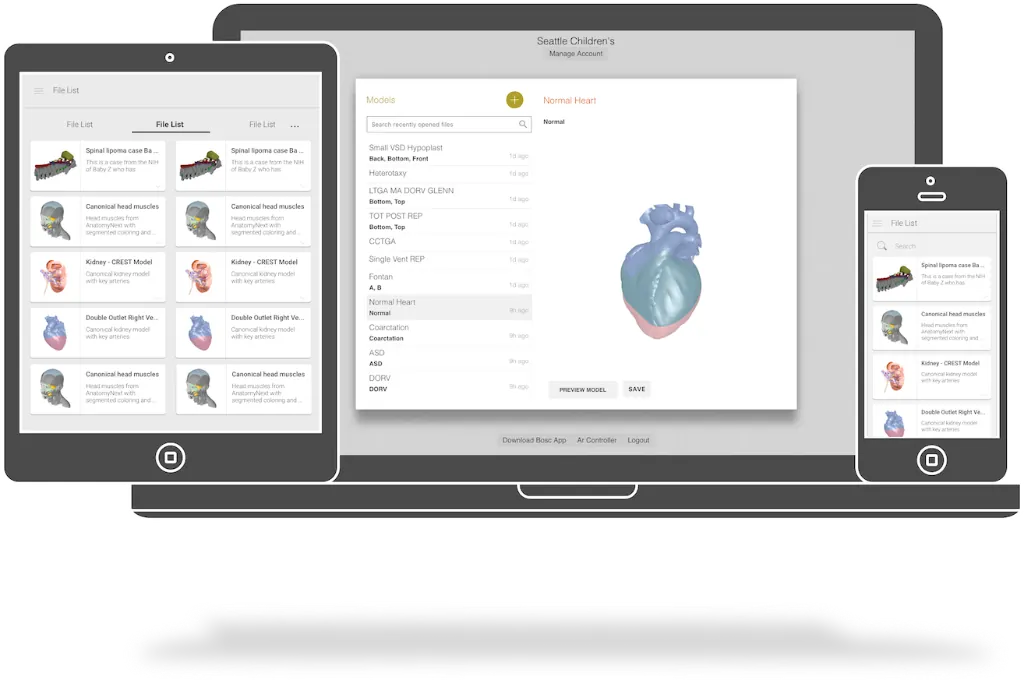
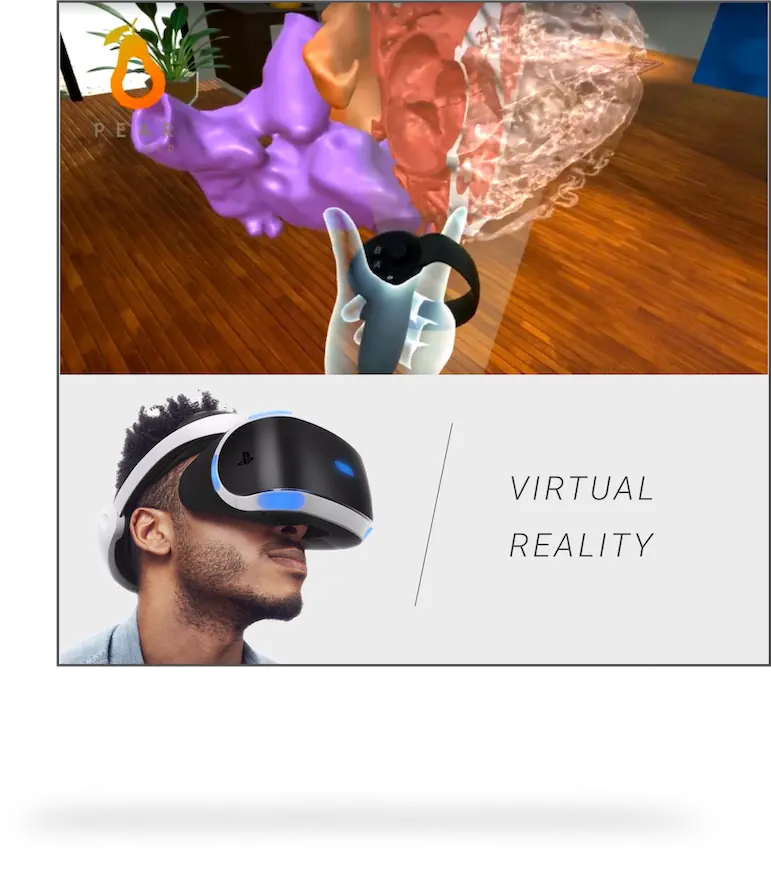
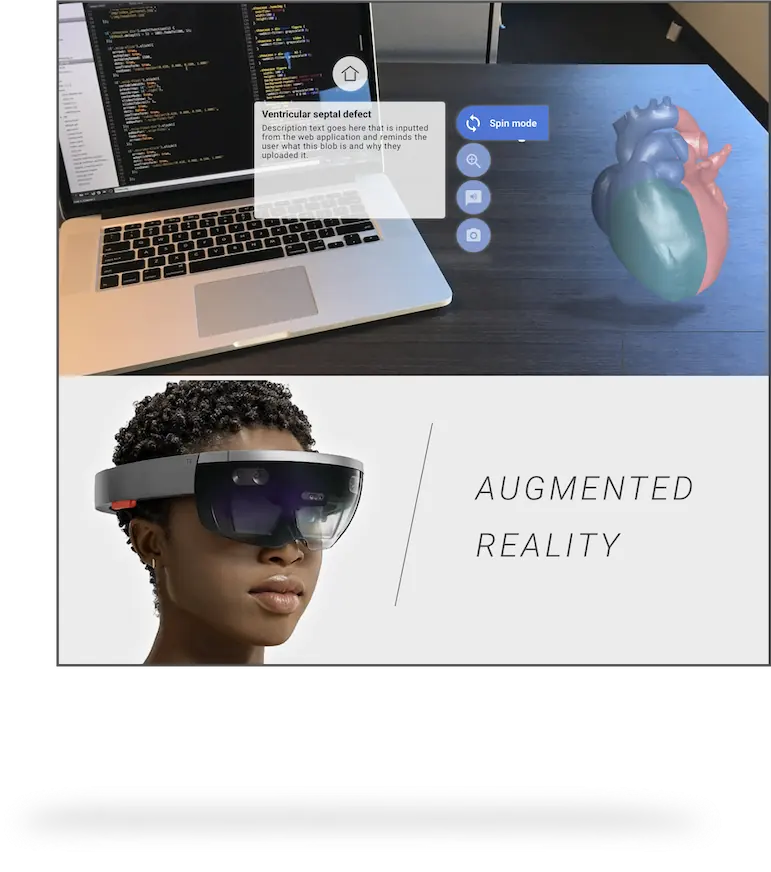
In close collaboration with practitioners, we built a few experiences: VR viewer with hybrid interaction model (more later), AR viewer, and a desktop model management portal.

Key challenges

  1. Virtual reality is a big shift from current visualization tech, and it’s introduction to the hospital requires a deep understanding of surrounding players and influences. We used ‘fly on the wall’ observation and contextual inquiry to better understand and document workflows around medical imaging and patient care protocols
  2. One byproduct of this big shift is that novelty of interacting with volumetric data. You can’t naturally use a keyboard and mouse in VR, so we spent extensive time in the lab testing various input models.

Outcome

Partnership and seed money from the University of Washington. Features in Seattle Times, Geekwire, and KING5 news. Pilots at 5 major research hospitals. vr workshop at largest radiology conference in the world. Startup has gone through several rounds and evolved into Dopl.

Role
Co-founder and UX lead
When
2016–2017, UW CoMotion Labs
Links
Video
GeekWire
King 5
WCE 2017

Pyrus Med

Case study

Touch motion

Interaction design, Usability research, Basic Leap Motion dev, visual design

Hand pointing at a floating VR tool menu (annotate, color, measure, slicer, reset, camera, set bookmark) beside a heart model

Challenge

While building Pyrus, it was immediately evident that out-of-the-box VR input systems were unintuitive for practitioners. They didn’t have inside-out tracking cameras and instead relied on controllers. This was fine at the time as Oculus and Vive were catering to gamers, but we found almost everyone immediately put their hands out after putting on the headset. They expected this level of immersion.

We needed a system to balance the precise input you’d get from a DICOM viewer with the human factors and comfort experienced with hand mapping.

”This [controller] would be a deal breaker in a real clinical workflow... too many tools.”

Dr Ripley, MD and expert in radiological 3D modeling

How might we accomodate ‘natural’ gestures with efficient, precise, and predictable input?

Phase 1: Google cardboard

Input: Gaze + single button

  • 👍 Highly mobile: Accessible and lightweight. Good for patient education.
  • 👎 Way too limited. Laggy with larger models

Phase 2: DK2 + Leap Motion

Input: Hands: Pinch, tap, rotate

  • 👍 Hardware light: No controller to learn. Basic controls are intuitive
  • 👎 Tracking: Unpredictable & imprecise

Phase 3: Xbox controller

Input: Analog joystick + buttons

  • 👍 Predictable & comfortable. Lots of input options.
  • 👎 Difficult to extract substructures. Doctors hated it; felt like gaming (see above quote)
Xbox controller

Phase 4: Perception neuron glove

Input: Hands

  • 👍 Performant and precise tracking
  • 👎 Huge configuration cost. Clunky hardware.

Winner: Oculus Touch + Leap Motion (“Touch Motion”)

Input: Hands + joystick + buttons

  • 👍 Immersive and intuitive
  • 👎 Button mapping requires coaching. Hand tracking is still imperfect

One-handed radial menu

Button map and trigger radial menu: slicer, annotate, density, and camera on an Oculus Touch controller

Challenges:

  • Hiding functionality behind buttons resulted in recall challenge
  • Two-handed menus are slow and require dexterity

Outcome:

  • Faster and easily memorized menu selection flow
  • Fewer human factors issues
  • MORE new user errors
Opening the radial menu, selecting a quadrant, how the menu is positioned, and controller shortcuts